
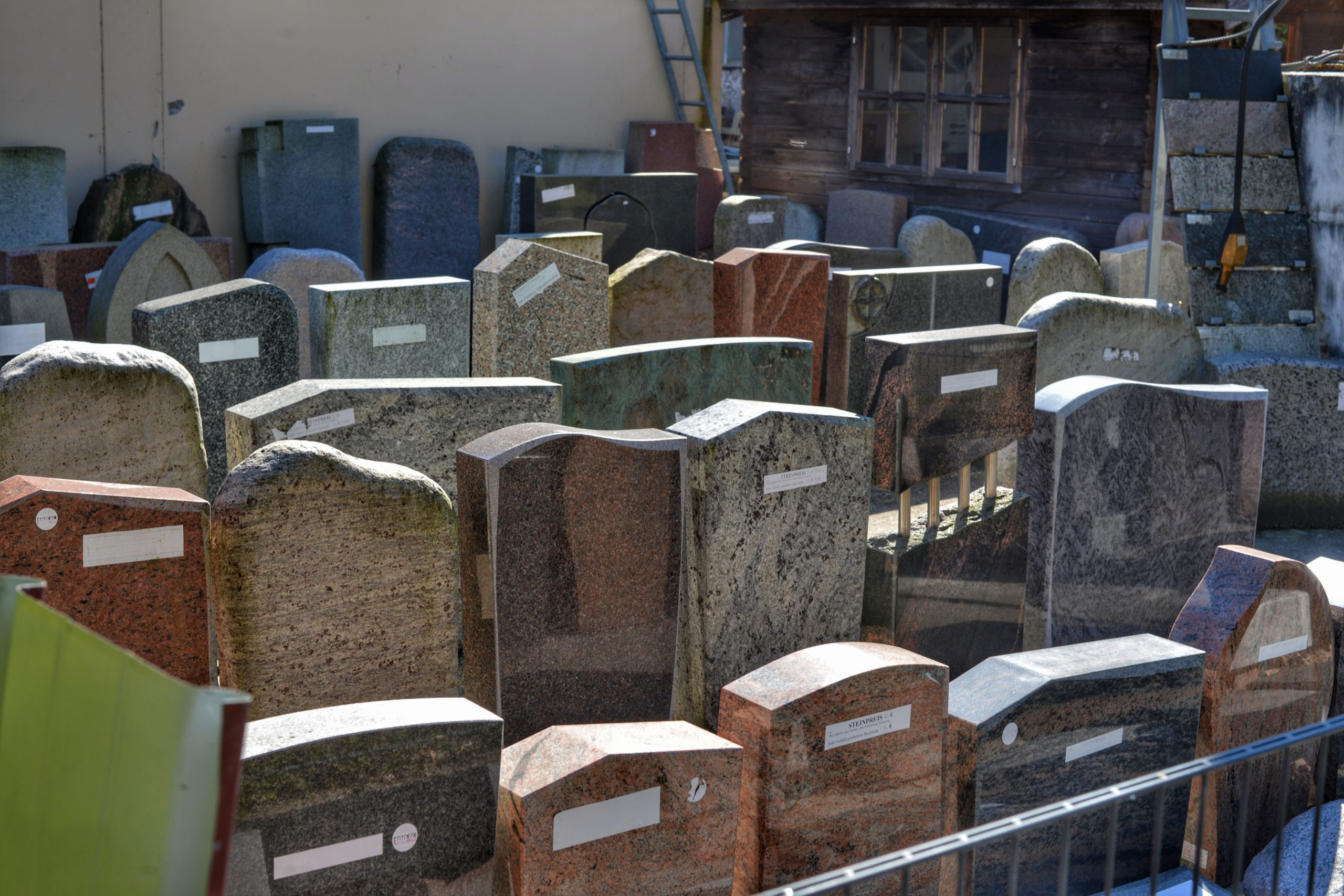
Memorial headstones can reflect a person’s life, beliefs, family traditions and cultural background. An Asian Memorial Headstone may incorporate elements associated with a family’s particular cultural or religious traditions, including specific inscriptions, symbols, layouts or decorative features. As Asian cultures and faiths are highly diverse, memorial designs can vary significantly between families and communities rather than following one standard style.
Greek Orthodox Headstones often incorporate features connected with the Greek Orthodox faith and family heritage. Depending on individual preferences, these may include an Orthodox cross, religious imagery, photographs and inscriptions written in Greek, English or both languages. Some families choose traditional designs, while others combine religious elements with more contemporary stonework.
Similarly, Italian Memorial Headstones may reflect family heritage and religious traditions through inscriptions, photographs, crosses, images of saints or other personalised details. Designs can range from relatively simple individual headstones to larger monuments commemorating multiple family members. The final appearance will depend on personal preferences, cemetery requirements and the traditions the family wishes to represent.
Traditional Upright Headstones
Upright headstones are among the most recognisable cemetery memorials. They generally consist of a vertical stone mounted on a base and provide space for the person’s name, dates and an inscription.
The shape of the stone can vary from simple rectangular designs to curved, sculpted or decorative profiles. Additional elements such as crosses, floral carvings or photographs can also be incorporated.
Lawn and Plaque Memorials
Some cemeteries have lawn sections designed to create a consistent and open appearance. These areas may require smaller headstones, plaques or memorials that comply with specific dimensions.
Plaques can be manufactured from materials such as granite or bronze and may include lettering, images and decorative elements. Their relatively simple format can still allow considerable personalisation.
Full Monuments
Full monuments are larger memorial structures that may include a headstone, base, kerbing and other stone elements surrounding the grave.
These designs provide additional space for inscriptions and decorative features. They may also be used for family graves where more than one person is commemorated.
Because of their size, full monuments require careful design and professional installation. Cemetery regulations will determine where these memorials can be installed and the dimensions permitted.
Choosing the Stone
Granite is widely used for modern memorials because it is durable and available in numerous colours and finishes. Polished granite can create a smooth, reflective appearance, while other finishes provide a more understated look.
Marble has also traditionally been used for monuments and sculptures. Material selection should take into account appearance, durability, maintenance and cemetery requirements.
Personalising the Design
Personalisation allows a memorial to communicate something about the individual being remembered. Families may choose meaningful verses, prayers, cultural symbols, religious imagery, portraits or decorative artwork.
Lettering style and layout also influence the finished appearance. Where inscriptions use more than one language or writing system, careful planning can help ensure the wording remains balanced and readable.
Cemetery Requirements
Before finalising a headstone, families should check the rules applying to the relevant cemetery and section. Regulations can cover dimensions, foundations, materials and installation procedures.
A monumental stonemason can help families understand these requirements and translate their preferred design into an appropriate memorial.
Ultimately, there is no single correct style of headstone. Cultural and religious traditions can provide inspiration, but each memorial can be adapted to reflect the individual. By combining appropriate materials, meaningful inscriptions and carefully selected design elements, families can create a lasting tribute that respects both personal memories and family heritage.